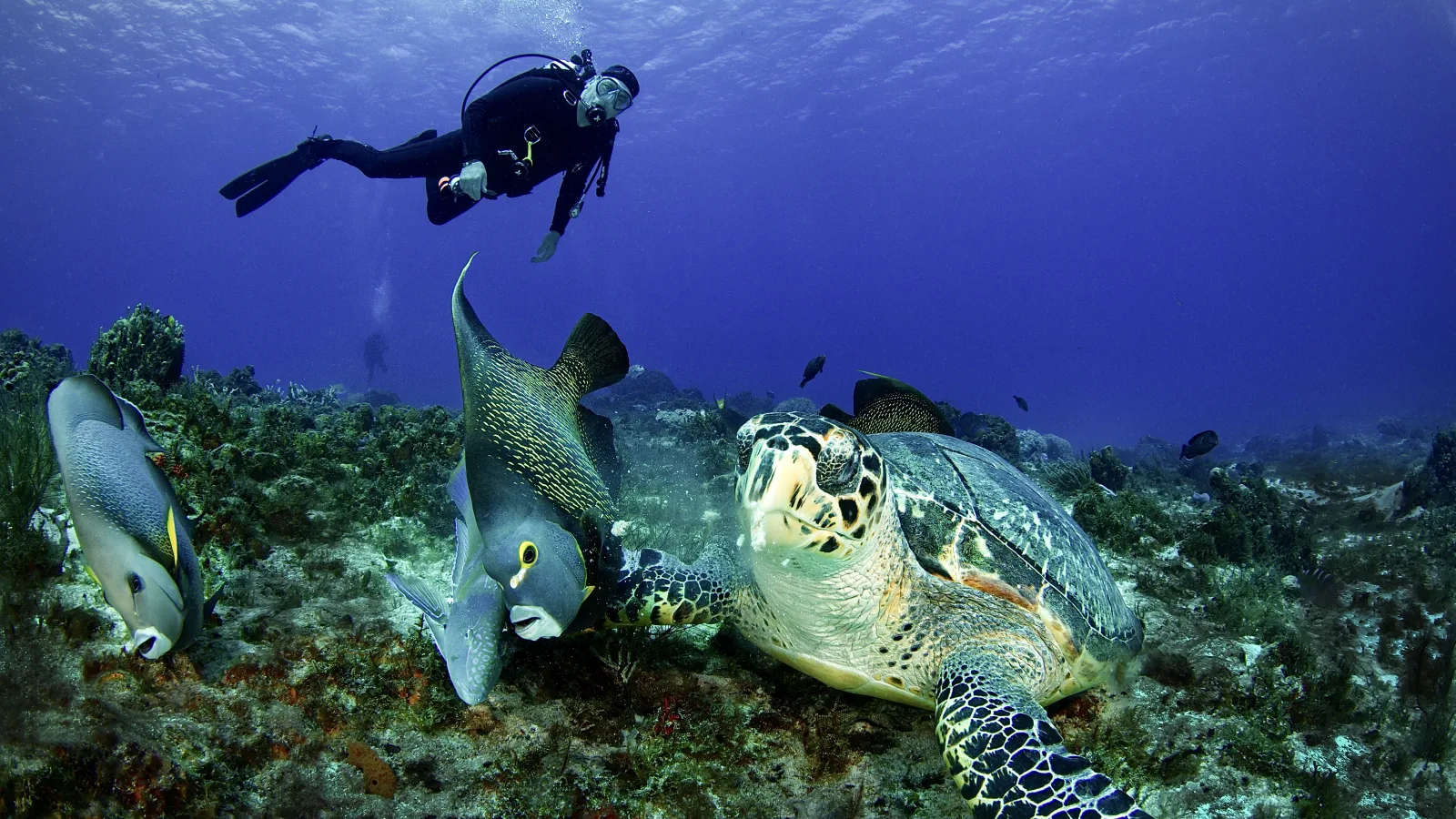
Learning to scuba dive should feel exciting—not overwhelming. At Phase 16A Bluewater Diving, we keep training clear, safety-forward, and confidence-building from the very first briefing to your first open-water dives. If you’re brand new, this page will help you choose the right certification path, understand basic prerequisites, and know exactly what to do next.
Explore
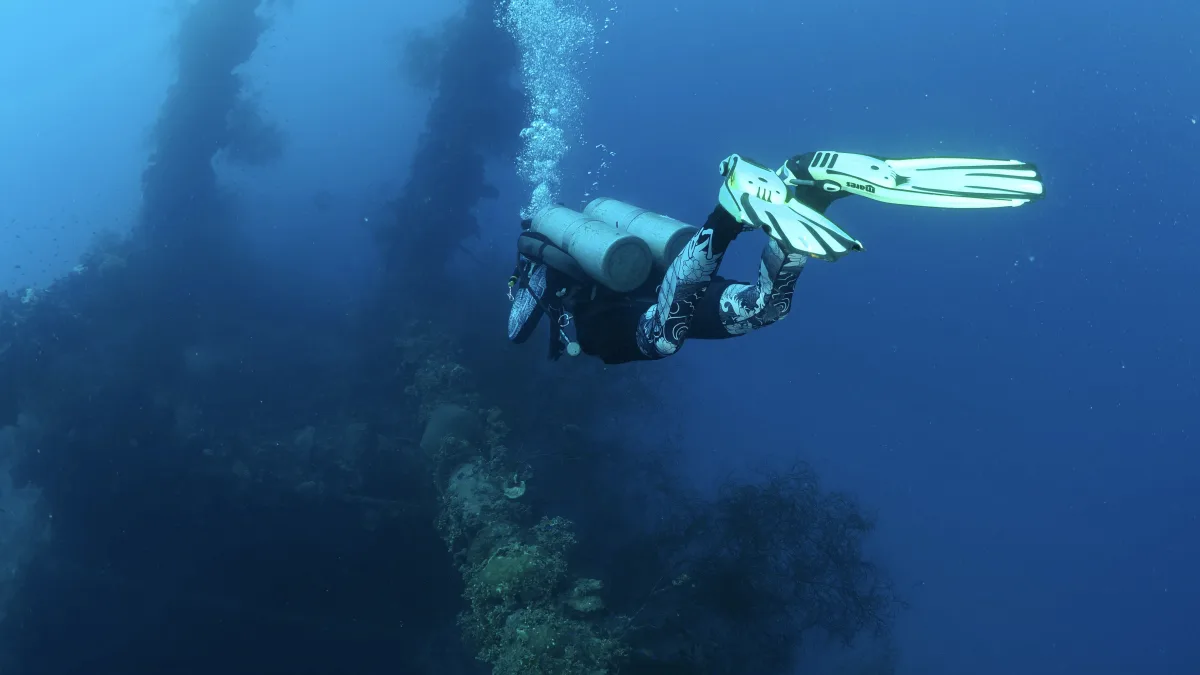
Advanced Training and Continuing Education
Explain how certified divers progress, how prerequisites work, and how training supports confidence for trips and local diving.
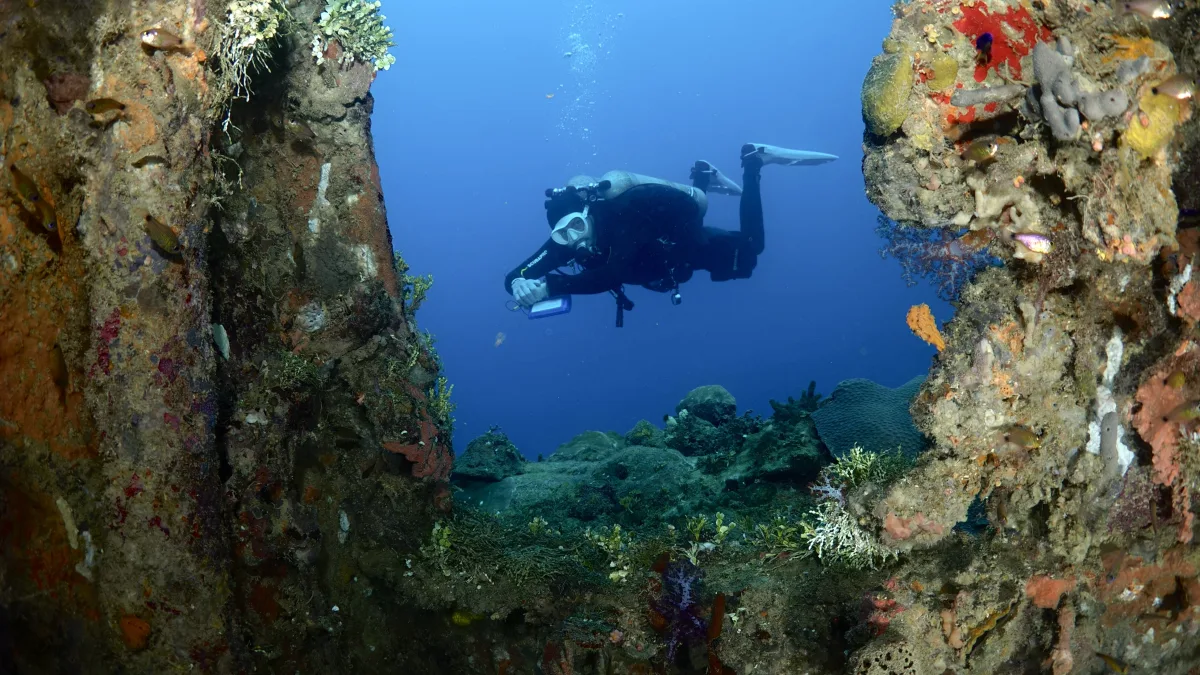
Scuba for Beginners: Getting Certified
Explain how a new diver gets started, what confidence-and-safety-focused instruction looks like, and what information is needed to plan the first steps.
Start here: choose your training path
Most new divers are deciding between two simple routes:
1) Beginner certification (your first license to dive)
This is the place to start if you’ve never been certified before. We’ll take you from the fundamentals—equipment basics, breathing and buoyancy, communication, and problem prevention—through the skills you need to dive comfortably with a buddy.
You’ll leave beginner training able to:
- Plan and execute straightforward dives within your certification limits
- Use scuba gear correctly and confidently
- Manage buoyancy, breathing, and basic underwater navigation
- Respond to common issues calmly and safely
If your goal is to join friends on dive trips, explore reefs, or simply feel at home underwater, beginner certification is your on-ramp.
2) Advanced and continuing education (build capability, depth, and comfort)
Already certified—or close to it—and want to expand what you can do? Continuing education is how you turn “I can dive” into “I dive well.” Advanced training is about experience with structure: we’ll coach you through new environments and skills in a way that’s progressive, practical, and grounded in good decision-making.
Common reasons divers continue training include:
- Getting more comfortable in the water (especially with buoyancy and trim)
- Improving air consumption and overall efficiency
- Expanding into new dive types (for example: deeper dives, navigation-focused dives, or other specialty skill sets)
- Refreshing skills after time away so you can dive with confidence again
Not sure which track fits you best right now? Talk with us—your next best class depends more on your comfort level and recent experience than on a label.
What you need before you begin (prerequisites, simplified)
Training is easiest when expectations are clear. While exact requirements can vary by course and certifying agency, most entry-level scuba training generally includes:
- Basic swimming comfort: You don’t need to be an elite swimmer, but you should feel okay in the water.
- Reasonable health and fitness for diving: Scuba is accessible to many people, but we’ll help you confirm you’re set from a medical and safety standpoint.
- Time to practice: Diving is a skill. You’ll learn faster and feel better when you give yourself space to absorb and repeat key skills.
If you have questions about medical considerations, medications, anxiety in the water, or anything else you’d rather ask privately, reach out. We’d much rather talk early and set you up for success than rush you into the wrong next step.
How we teach: safety-forward, small-group, real coaching
We don’t believe in “checking boxes” and sending you on your way. We teach to build divers who are calm, aware, and in control.
Safety-forward, without the stress. You’ll learn what matters most: preventing issues before they start, maintaining situational awareness, and making conservative decisions that keep diving fun for years.
Small-group learning (so you actually get coached). Skill-building happens faster when you get eyes-on feedback. Smaller groups mean more time to refine buoyancy, improve your comfort, and ask questions without feeling rushed.
Direct access to your instructor. You should never feel like you’re training with a stranger. We work with you closely, adapt to how you learn, and give you straight answers—especially when it comes to readiness, comfort, and next steps.
What to expect during training (the feel of the experience)
If you’re new, it’s normal to wonder what scuba training is actually like. Here’s the vibe:
- We start with foundations—how equipment works, what your gauges are telling you, how to communicate, and how to think like a diver.
- We move into in-water skills that build real comfort: breathing, clearing water from your mask, sharing air, buoyancy control, and calm responses to common problems.
- We reinforce everything through repetition and coaching, so you don’t just “pass”—you improve.
You’ll be surprised how quickly the underwater world goes from unfamiliar to natural when you’re guided step by step.
Not sure you’re “ready”? You probably are—with the right support
New divers often hesitate for the same reasons: “What if I panic?” “What if I can’t equalize?” “What if I’m not fit enough?” “What if I’m just not good at this?”
Those concerns are more common than you think—and they’re exactly why structured instruction matters. Our job is to help you build comfort progressively, keep you within your limits, and turn uncertainty into confidence through practice.
If your goal is to dive safely and enjoyably, we’ll meet you where you are and help you move forward at a pace that makes sense.
Ready for next steps?
The fastest way to choose the right path is a quick conversation. Tell us:
- Whether you’re brand new or already certified
- Your goals (travel, reefs, confidence, advanced skills, etc.)
- Your comfort level in the water and any concerns
We’ll recommend a training route and the cleanest next step to get you started.