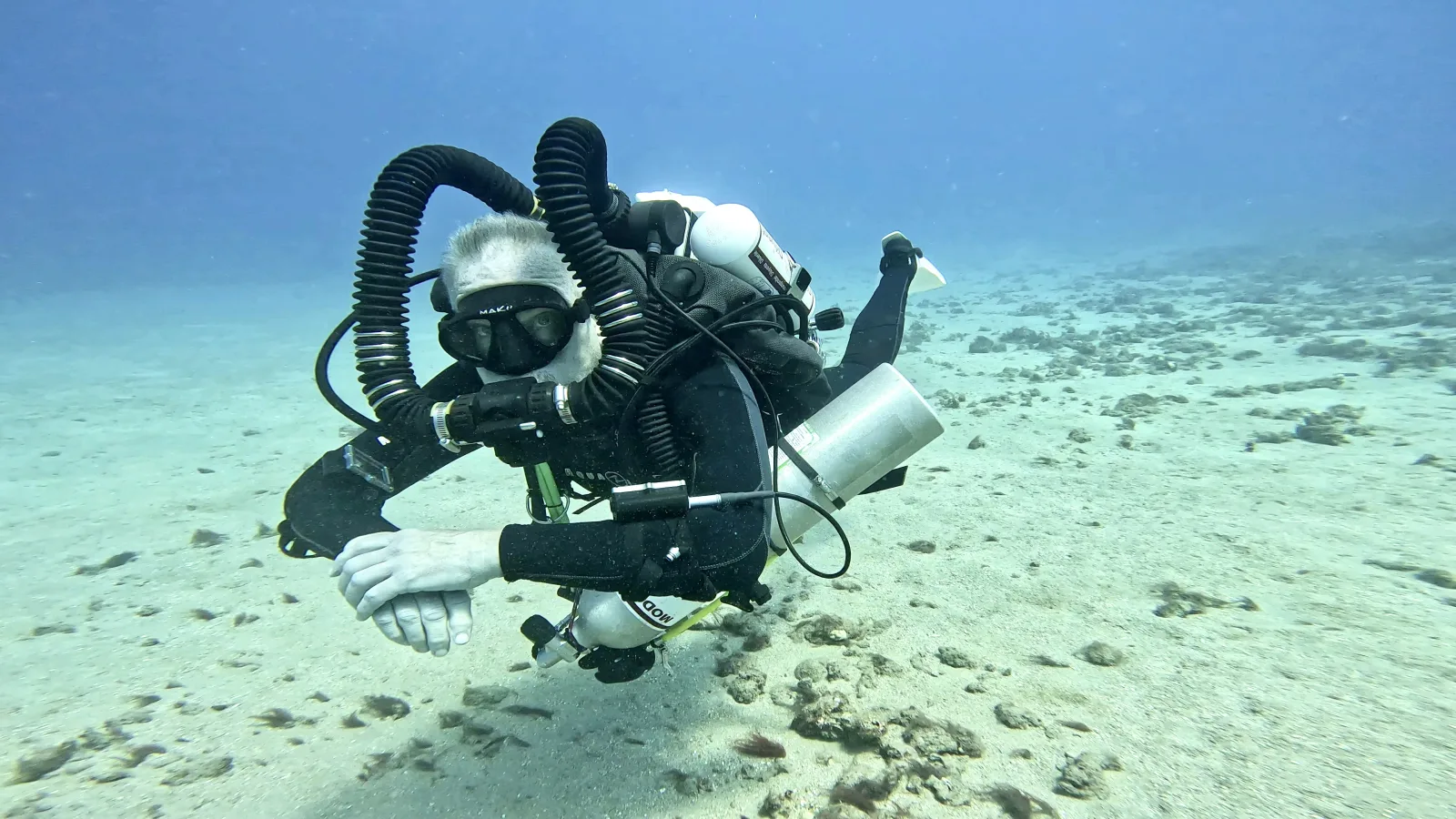
If you’re new to diving, it’s completely normal to wonder: Is this safe? Will I feel rushed? What happens if I’m nervous? We built Phase 16A Bluewater Diving around those questions.
Safety isn’t a speech we give once and move on from. It’s the way we plan, brief, teach, select sites, manage the pace of the day, and look after equipment—so you can focus on learning and enjoying those first “wow” moments underwater.
Our safety mindset: simple, steady, and proactive
We aim for an environment where you always know what’s happening and what’s expected—before you get in the water.
That means we:
- Teach for understanding, not memorizing. You’ll learn why procedures matter, so your choices make sense when you’re underwater.
- Plan dives that match the team. We choose conditions and dive profiles that fit the group’s comfort and experience—especially when you’re brand new.
- Keep communication clear. If something doesn’t feel right, we want you to say it. Good diving is honest diving.
A big part of feeling safe is feeling unhurried. When divers feel rushed, mistakes happen. We’d rather slow down, do it cleanly, and build real confidence.
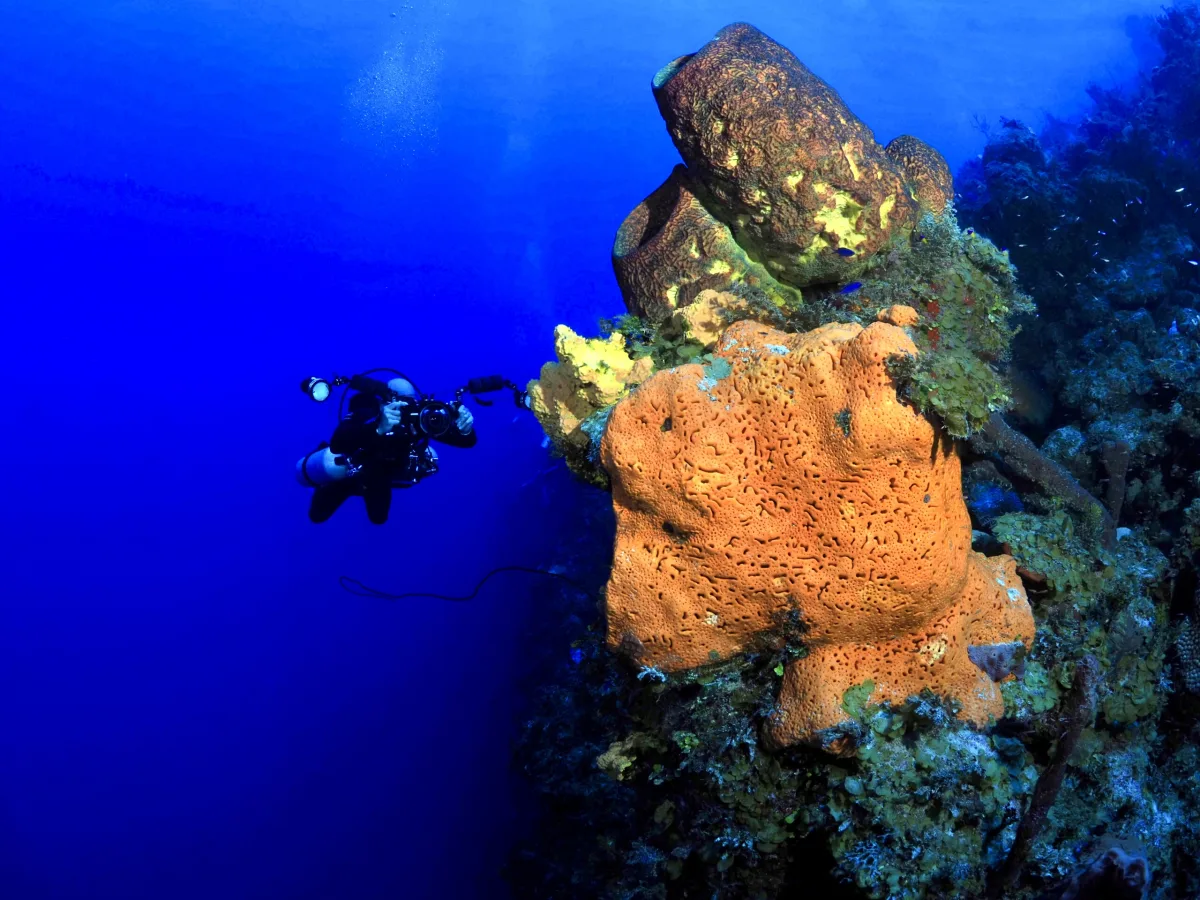
Small groups: more attention, less pressure
Your first certification is a lot of “firsts”: first time in scuba gear, first time clearing a mask, first time managing buoyancy, first time noticing how your breathing changes your movement. In a small-group setting, those moments don’t have to be stressful.
Small groups help because:
- You get more coaching in the water. Tiny adjustments—fin position, breathing rhythm, where you look—can change everything.
- We can match the pace to the people, not the clock. If you need an extra attempt at a skill, you get it.
- You’re not competing for attention. That lowers nerves and keeps the experience supportive.
And if you’re the diver who’s thinking, “I’m excited…but I’m anxious,” you’re exactly who benefits most from a calm, small-group approach.
Briefings that actually make you feel prepared
A good briefing should leave you thinking, “I know the plan, I know my role, and I know what to do if something changes.” That’s our standard.
Before we dive, we’ll cover things like:
- The dive plan, route, and what you’ll see
- Entry/exit and how the team will stay together
- Hand signals and underwater communication basics
- Air and time management (and what “turn pressure” means in real life)
- What to do if you feel uncomfortable, have ear issues, or need to end the dive
You’ll also have plenty of space to ask questions—especially the ones people sometimes feel awkward asking. (Spoiler: they’re usually the most important ones.)
Equipment you can trust (and how we help you use it)
Your gear should feel like a safety net, not a mystery.
We keep equipment in solid working order and we don’t treat setup like a rushed pre-dive chore. We’ll show you how to assemble and check your kit correctly, how to spot common issues early, and how to do a thorough buddy check that actually catches problems.
If you’re using unfamiliar gear, we’ll help you get comfortable with it on the surface first—because confidence underwater starts with familiarity above water.
Clear requirements—so you don’t get surprised later
New divers often hesitate because the “paperwork side” of diving feels confusing: medical forms, course prerequisites, travel questions, what you need to bring, and what you’re expected to know.
We keep this straightforward.
If you’re unsure whether you’re ready to start, ask us. We’ll walk you through:
- What you need before training begins (and what you can learn during the course)
- Any medical or fitness considerations that might affect participation
- How certification works and what it qualifies you to do afterward
- Travel and continuing-diving readiness—what to expect if you plan to dive on vacation after cert
No jargon. No pressure. Just clear answers so you can make a good decision.
Your comfort is part of safety
Safety isn’t only about emergency procedures—it’s also about preventing stress from building in the first place.
We’ll help you with the most common new-diver challenges:
- Mask nerves and water-on-the-face discomfort
- Ear equalization and how to handle it calmly
- Buoyancy and breathing control (the real “secret skill” of relaxed diving)
- Managing nerves before and during the dive
If you ever want to pause, reset, or try again, that’s normal. We’d rather build solid, relaxed skills than push through discomfort.
Ready to dive with a team that takes care of the details?
If you’re considering your first certification and you want a small-group environment where safety is built into the whole experience, we’d love to have you.
Reach out and tell us a bit about your comfort level, any concerns you have, and your goals—first certification, future travel, or just trying something new. We’ll help you take the next step with confidence.